Fly Fishing in Colorado: The Complete Guide to Rivers, Seasons, and Trips
Colorado is one of the most rewarding places in the country to fly fish. With more than 9,000 miles of trout streams, 322 miles of Gold Medal water, and four distinct seasons of hatches, the state offers something for anglers at every level, from a first-cast beginner on Clear Creek to a veteran chasing trophy browns on the Upper Colorado.
This guide covers the rivers worth your time, the months that fish best, what to bring, how to handle Colorado’s licensing rules, and what to expect on your first guided fly fishing trip. We run float and wade fishing trips on the Upper Colorado River out of our Kremmling outpost, so the recommendations here come from time spent on the water, not just research.
Best Fly Fishing Rivers in Colorado
Colorado’s fly fishing scene is built on a handful of legendary rivers and a long list of underrated ones. Here’s where to focus:
Colorado River
Best for: float fishing, intermediate anglers, big browns and rainbows.
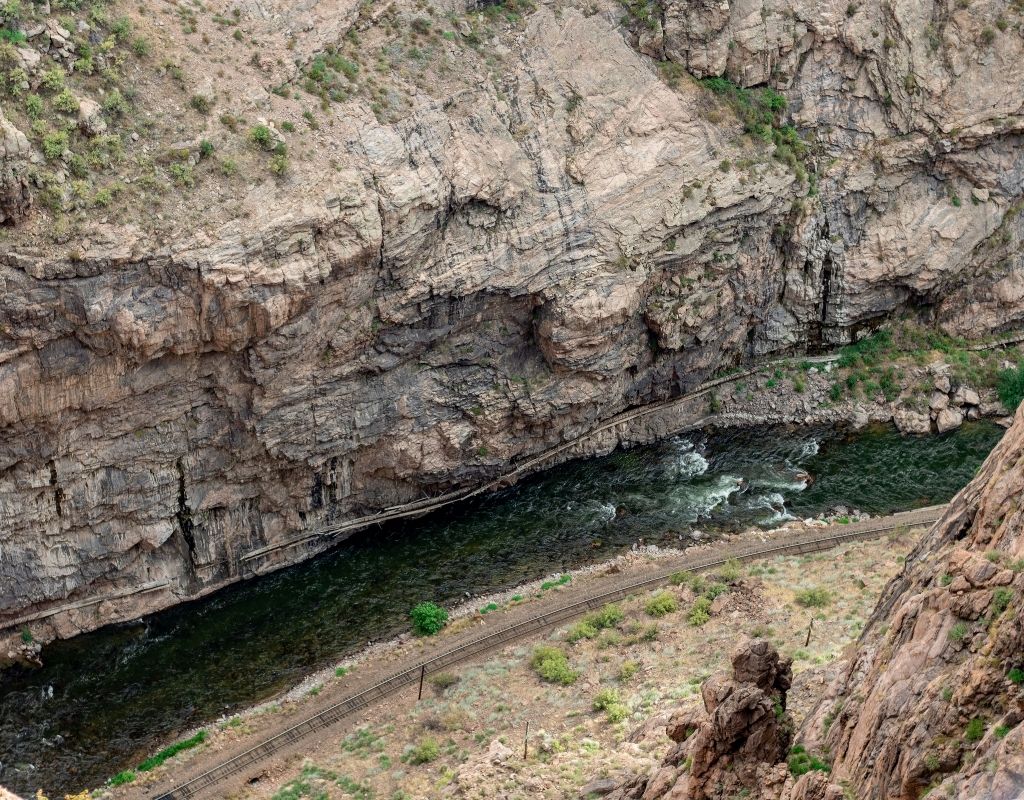
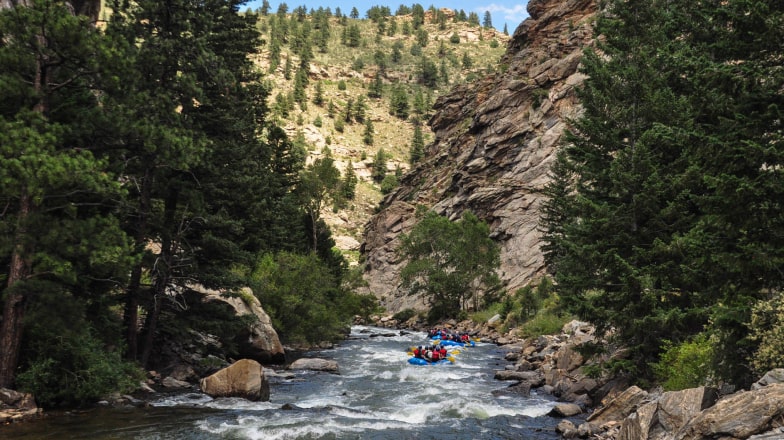
The stretch between Pumphouse and State Bridge, the section we float out of Kremmling, is one of the most consistent producers in the state. Water levels are stable thanks to upstream reservoir releases, the canyon scenery is dramatic, and the river holds healthy populations of brown and rainbow trout in the 14–20″ range, with shots at larger fish through Gore Canyon. Caddis and stonefly hatches dominate early summer; tricos and BWOs carry the season into fall. Check out our Colorado River Float Fishing Trip for the ultimate guided experience.
Arkansas River
Best for: wade and float fishing, all skill levels, dry fly action.
At 102 miles of Gold Medal water, the Arkansas is the longest Gold Medal fishery in North America. The Browns Canyon and Salida sections fish well from late spring through October. Caddis hatches in April and May are legendary; midges and BWOs keep the river fishable all winter. Brown trout dominate, with rainbows mixed in. We run trips out of our Nathrop outpost.
Gunnison River
Best for: experienced anglers, remote fishing, big rainbows.
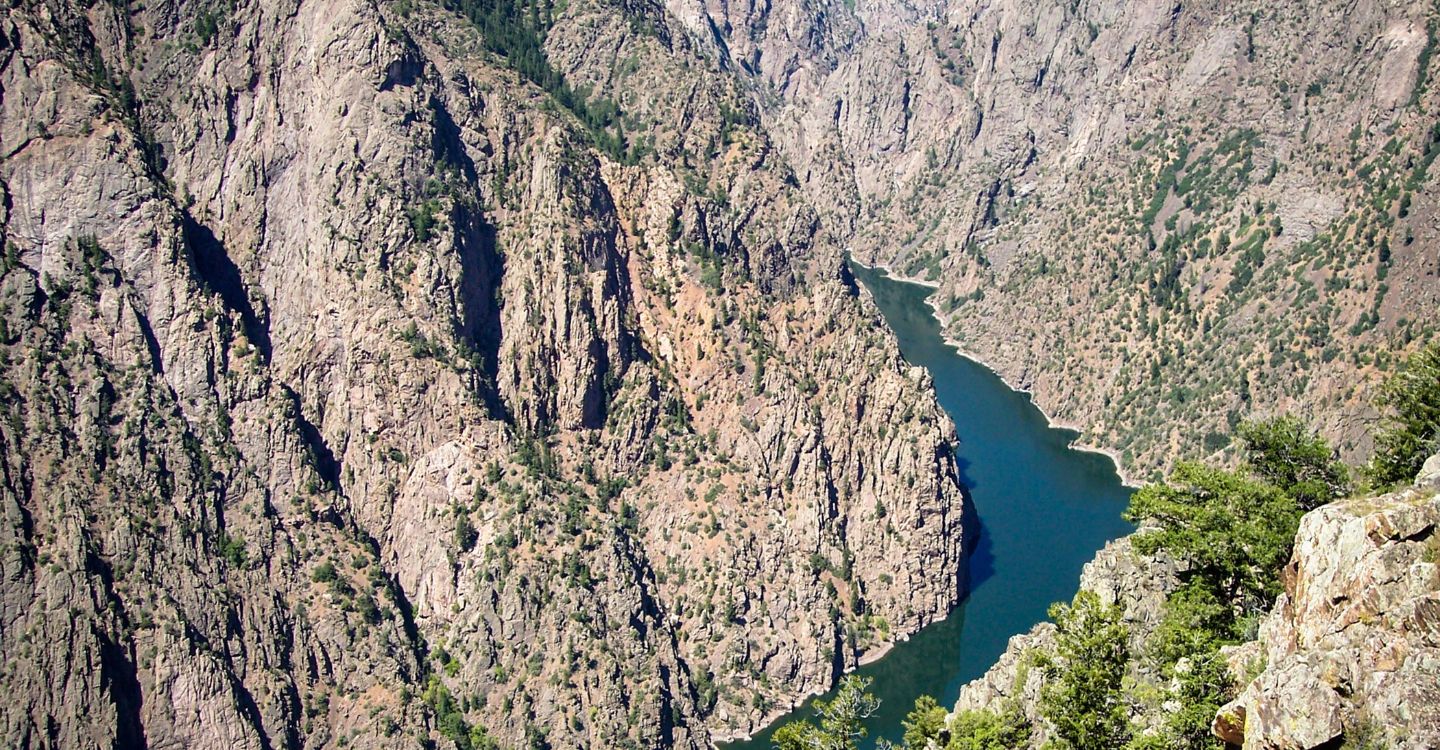
The Gunnison Gorge and Black Canyon hold large rainbows and browns in deep pocket water that rewards strong nymphing skills. Access is limited, Black Canyon requires a permit and a difficult hike, but the reward is fishing pressure that’s a fraction of the Front Range tailwaters.
Clear Creek
Best for: beginners, day trips from Denver, learning the basics.
Just 30 minutes from Denver, Clear Creek is where many Colorado anglers learn the sport. The water is more accessible than tailwaters like the South Platte, the trout are willing, and you can be casting a fly within an hour of leaving the city. Best fished from June through September after runoff settles. Stocked rainbows mix with wild browns.
High Alpine Lakes
Best for: backcountry anglers, native cutthroat trout, scenery.
Above 10,000 feet, Colorado’s alpine lakes hold native greenback and Colorado River cutthroat in some of the most striking settings in the state. Most require a hike. Ice-off through August is the productive window. Bring small attractor patterns and be ready for fast-changing weather.
Other Notables
Additional notable spots such as the South Platte River and the Blue River round out Colorado’s reputation as a fly fishing paradise.
Best Time to Fly Fish in Colorado: Month by Month
Colorado is one of the few states where you can fly fish every month of the year. That said, June through September is when most anglers, and most fish, are most active. Here’s what to expect across the season:
Month | Conditions | Hatches | Where to focus |
|---|---|---|---|
January–February | Cold, low flows, technical | Midges | Tailwaters: Blue, S. Platte, Frying Pan |
March | Pre-runoff, warming days | Midges, BWOs | Tailwaters; lower elevation freestones |
April | Variable; early caddis | BWOs, caddis (late) | Arkansas (caddis hatch begins) |
May | Runoff begins | Caddis, stoneflies | Tailwaters; lower Arkansas |
June | Runoff peaks early, drops late | PMDs, caddis, stoneflies | Upper Colorado (post-runoff), high lakes (ice-off) |
July | Prime dry fly season | PMDs, green drakes, caddis, terrestrials | Anywhere — peak season |
August | Warm, low; early/late best | Tricos, terrestrials, hoppers | Higher elevation streams; early/late on lower rivers |
September | Cooling, fewer crowds | BWOs, tricos, hoppers | Upper Colorado, Eagle, Roaring Fork |
October | Brown trout pre-spawn | BWOs, streamers | Anywhere — many guides’ favorite month |
November | Cooling fast, low pressure | BWOs, midges | Tailwaters |
December | Winter conditions | Midges | Tailwaters only |
If you’re planning a trip and want a single recommendation: book mid-July to mid-September. Water is stable, hatches are predictable, and you’ll have full access to float and wade options across the state.
Fly Fishing in Colorado for Beginners
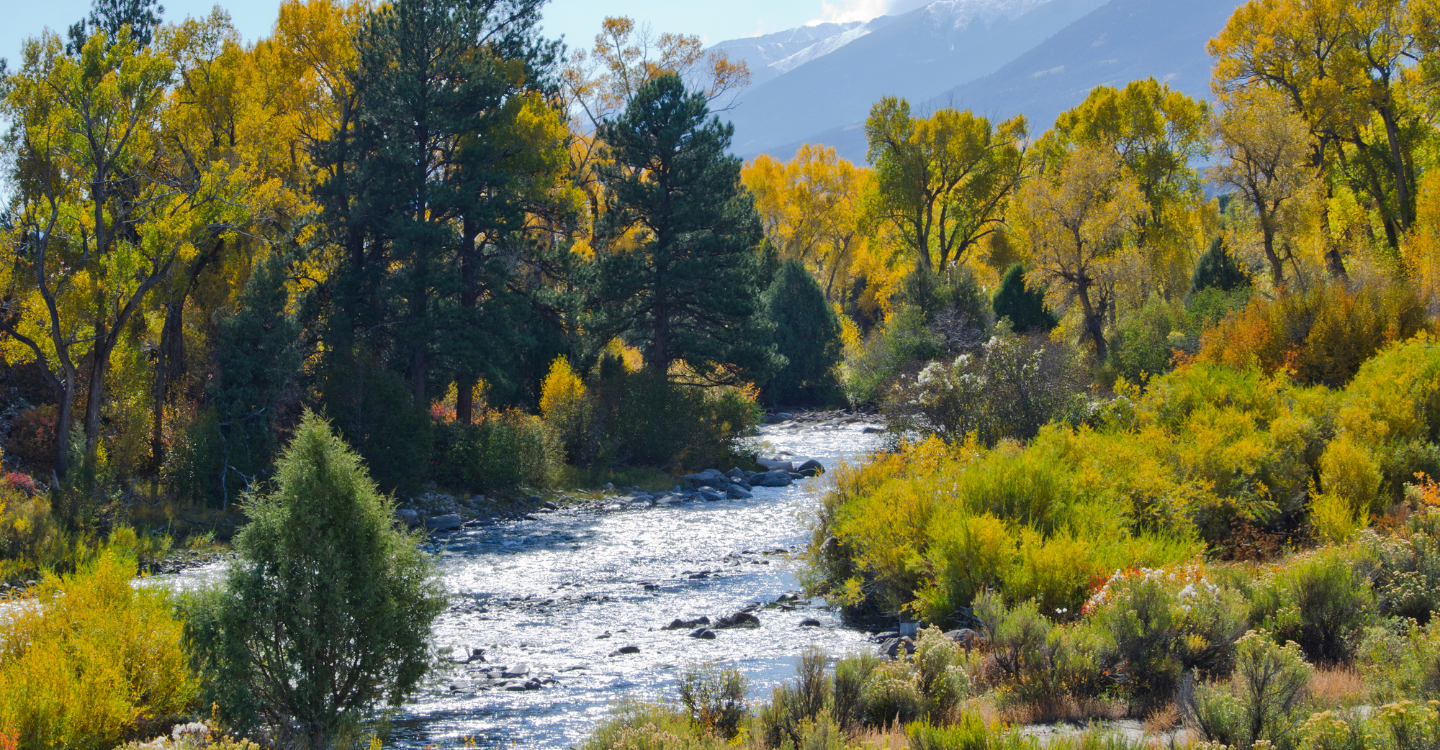
You don’t need years of experience to have a great first day on the water in Colorado. The state has rivers that are forgiving, guide services that handle the gear and the learning curve, and trout that are willing enough to make a first cast feel productive.
Where to start as a beginner
- Clear Creek (Idaho Springs area): Easy access, willing fish, and you’re back in Denver by dinner.
- Upper Colorado float trips: Drift boats are forgiving — your guide rows, you cast. Bad casts get fixed by the next bend.
- Lower Arkansas (Salida area): Wadeable, well-stocked, scenic. A common starting river for Colorado guide schools.
What to expect on your first guided trip
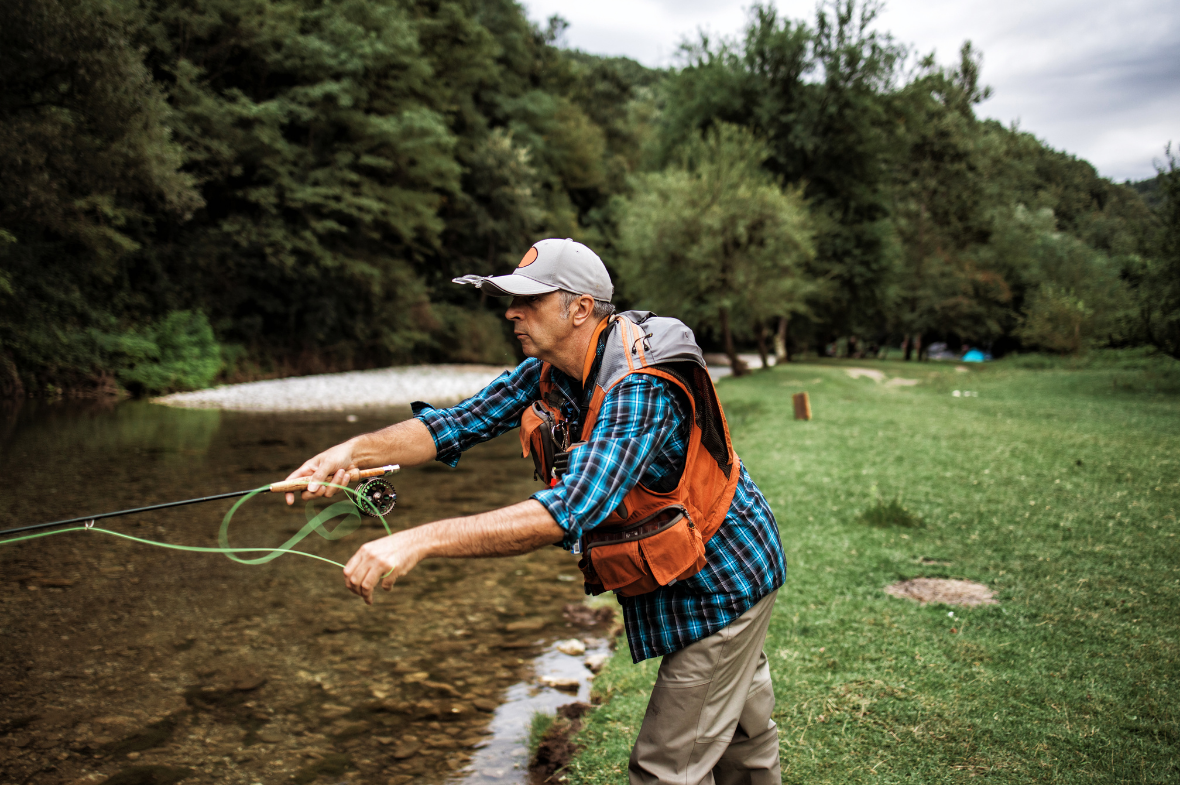
Most guided beginner trips spend the first 20–30 minutes on land covering casting basics, knot tying, and how to read water. From there, you’re fishing, the guide stays close, helps with mends and presentation, and ties on flies as conditions change.
Expect to catch fish; if you don’t, your guide is going to be more frustrated than you are. Half-day trips run 4–5 hours; full days are 7–8 with lunch.
Fly Fishing Techniques and Gear
Techniques by Water Type
Rivers (Colorado, Gunnison) – Nymphing with weighted flies helps reach deeper pools.
Summer Conditions – Use dry flies when trout are feeding near the surface.
High Lakes – A slow retrieve with streamers works well in alpine waters.
Fly Selection by Season and Species
Spring and Summer – Caddis and mayfly patterns are especially effective.
Winter – Try scud or midge imitations, particularly in tailwaters.
Ethical Fishing Practices
Use barbless hooks to reduce harm
Handle fish gently and release quickly
Avoid fishing during spawning seasons
Practice catch-and-release, especially in heavily fished waters
What to Pack for a Fly Fishing Trip in Colorado
Preparing for a successful Colorado fly fishing trip requires careful attention to the state’s demanding natural environments. Essential items include a sturdy pair of waders to keep comfortable in cold mountain streams and rivers, along with polarized sunglasses to reduce glare and help spot fish beneath the water’s surface. Insect repellent is a must, especially during the warmer months when mosquitoes and biting flies are most active.
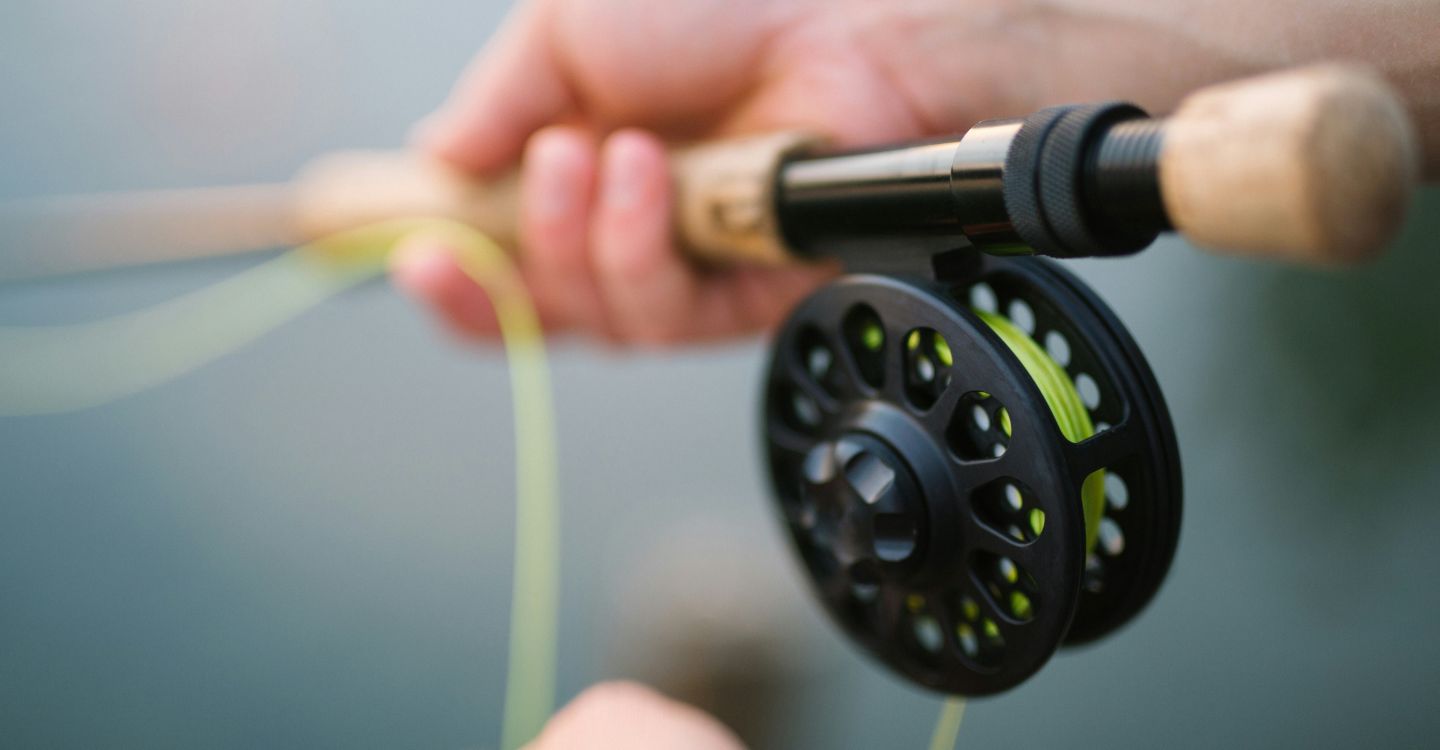
For Colorado’s varied landscapes, a versatile rod and reel, typically a 5-weight rod for most rivers and lakes, is important, along with a selection of flies suited to the season and fish species. A rain jacket and layered clothing are crucial due to the unpredictable mountain weather, ensuring you’re prepared for sudden temperature drops or showers.
Finally, a sturdy backpack or chest pack to organize your gear and a valid fishing license are key to ensuring a smooth and successful fishing adventure.
Waders
Polarized Sunglasses
Insect Repellent
Rod and Reel
Rain Jacket and Layers
Backpack or Chest Pack
Fishing License – Required for all anglers in Colorado
Why book a guided fly fishing trip
Colorado has more than 9,000 miles of trout water, dozens of hatch patterns, and conditions that change weekly. For a visiting angler, or a Colorado resident new to a specific river, a guide compresses what would be years of trial and error into a single day.
A good guide does four things you can’t get from research alone:
- Reads the water for you. Where the fish are holding today, given current flows and temperature, isn’t in any guidebook.
- Picks the right fly. Hatch matching in Colorado depends on elevation, season, and weather conditions in the past 24 hours.
- Handles the logistics. Gear, transportation to put-in/take-out, lunch, river permits, and access to private water on some trips.
- Teaches as you go. Most anglers leave a full-day guided trip a meaningfully better caster than they arrived.
At Downstream Adventures, we run float fishing trips on the Upper Colorado out of our Kremmling outpost and wade fishing trips with our experienced Colorado guides. Half-day and full-day options are available May through October.
Gear, flies, lunch (on full-day trips), and shuttle are all included.
Frequently Asked Questions
Where can beginners go fly fishing in Colorado?
Beginners in Colorado should start on rivers and streams with gentle currents and accessible banks. Clear Creek near Denver is ideal for short trips and easy wading, while sections of the Arkansas River and South Platte River offer calm pools perfect for learning the basics. Guided float trips with outfitters like Downstream Adventures are also a great option, providing instruction, gear, and safe access to prime fishing spots.
What gear do I need for a fly fishing trip in Colorado?
Essential gear for a Colorado fly fishing trip includes waders to stay comfortable in cold mountain streams, a versatile rod and reel (usually a 5-weight rod for most rivers and lakes), and a selection of flies suited to the season and fish species. Polarized sunglasses help spot fish beneath the water, while layered clothing and a rain jacket keep you prepared for unpredictable mountain weather. Don’t forget insect repellent, a backpack or chest pack to organize your gear, and a valid Colorado fishing license.
Are guided fly fishing tours in Colorado worth it?
Guided fly fishing trips are highly recommended, especially for first-timers or visitors unfamiliar with Colorado’s rivers. Guides provide insider knowledge on local hotspots, seasonal patterns, and the most effective techniques, while also ensuring safety and handling permits. With guided trips, all gear is typically provided, and you get the benefit of a hassle-free experience focused on maximizing both your catch and your enjoyment on the water.
What month is best for fly fishing in Colorado?
The best months for fly fishing in Colorado are typically late spring through early fall (May to September). Late spring brings high runoff, creating fast-moving rivers and active trout feeding, while summer offers stable conditions and warm weather. Early fall can be excellent as well, with lower crowds, cooler water temperatures, and active trout before winter. Seasonal conditions can affect river flows, so always check current river levels and local guides for the best timing.

Downstream Adventures
Downstream Adventures was started by two brothers with a deep love for the outdoors and whitewater rafting. We are excited to bring our passion to you by sharing our knowledge of the area and what makes it so great!