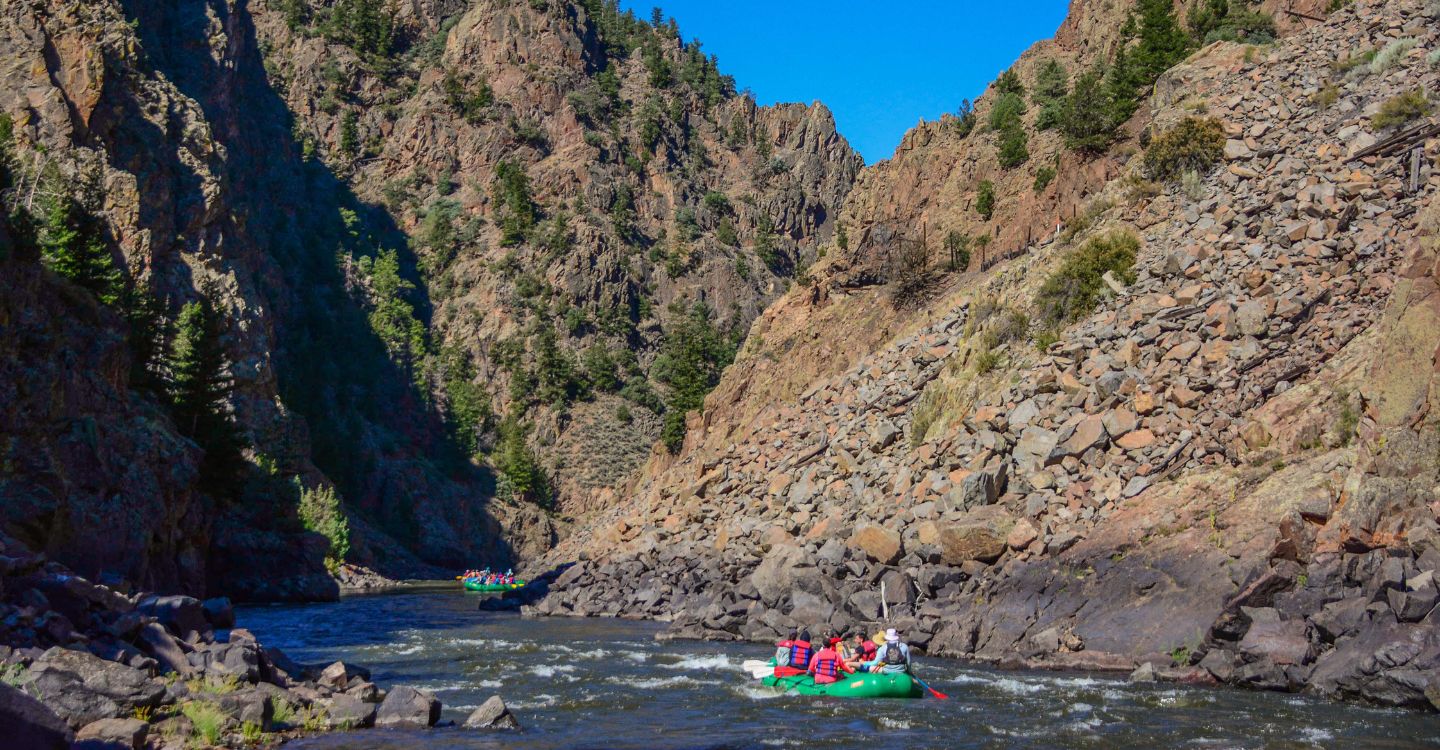
Timing is everything when it comes to the Rocky Mountains. Whether you are looking for heart-pounding Class IV rapids or a gentle scenic float under the summer sun, understanding the rhythm of the Colorado rafting season is the first step in planning your adventure. Because our rivers are primarily fed by melting snowpack, the personality of the water changes significantly from the first thaw in May to the golden days of September.
Planning a trip during the Colorado white water rafting season requires a bit of strategy depending on your group’s experience level and appetite for adrenaline. In this guide, we break down what to expect during each month of the season, from peak runoff thrills to late-season technical beauty, so you can pick the window that actually fits your group.
What Defines the Colorado White Water Rafting Season?
The Colorado white water rafting season typically runs from May through September. Unlike rivers that are fed by consistent rainfall, Colorado’s rivers are primarily snowpack-driven — meaning the volume and intensity of the water is directly tied to how much snow fell in the mountains the previous winter and how quickly it melts.
This matters for trip planning because it means the river in June and the river in August are genuinely different experiences on the same stretch of water. Early-season flows run fast, cold, and powerful as runoff peaks. By late August and September, water levels drop considerably, revealing a more technical, maneuvering-focused float that rewards precision over power. The right month for your trip depends on what your group is actually looking for.
📌 Key Takeaway: The Colorado rafting season runs May through September. Water levels peak in late May through June and taper gradually through late summer — the month you choose determines the character of your trip as much as the river or trip type. |
May: The Start of Colorado Rafting Season
May marks the beginning of Colorado’s whitewater rafting season. As temperatures warm and the mountain snowpack begins to melt, rivers across the state start rising from their winter lows. Water levels can change dramatically from week to week, making May one of the most exciting and dynamic times to be on the river.
Early May often offers moderate flows that are perfect for guests looking to shake off winter and enjoy the start of rafting season. As the month progresses, snowmelt accelerates and rivers begin building toward their annual peak. Rapids become bigger, wave trains grow larger, and the pace of the river noticeably increases.
One of the unique things about rafting in May is watching the season unfold in real time. Conditions can be completely different from one weekend to the next as warmer weather pushes more runoff into the rivers. For returning rafters, it’s a chance to experience Colorado’s rivers as they come alive after winter. For first-time rafters, it’s an opportunity to enjoy exciting early-season whitewater before the largest runoff of June arrives.
Because water levels are still building, May offers a wide range of experiences depending on the river and trip you choose. Family-friendly stretches remain approachable for beginners, while more adventurous sections begin delivering the bigger waves and faster currents that whitewater enthusiasts look forward to all year.

June: High Water and Peak Adrenaline
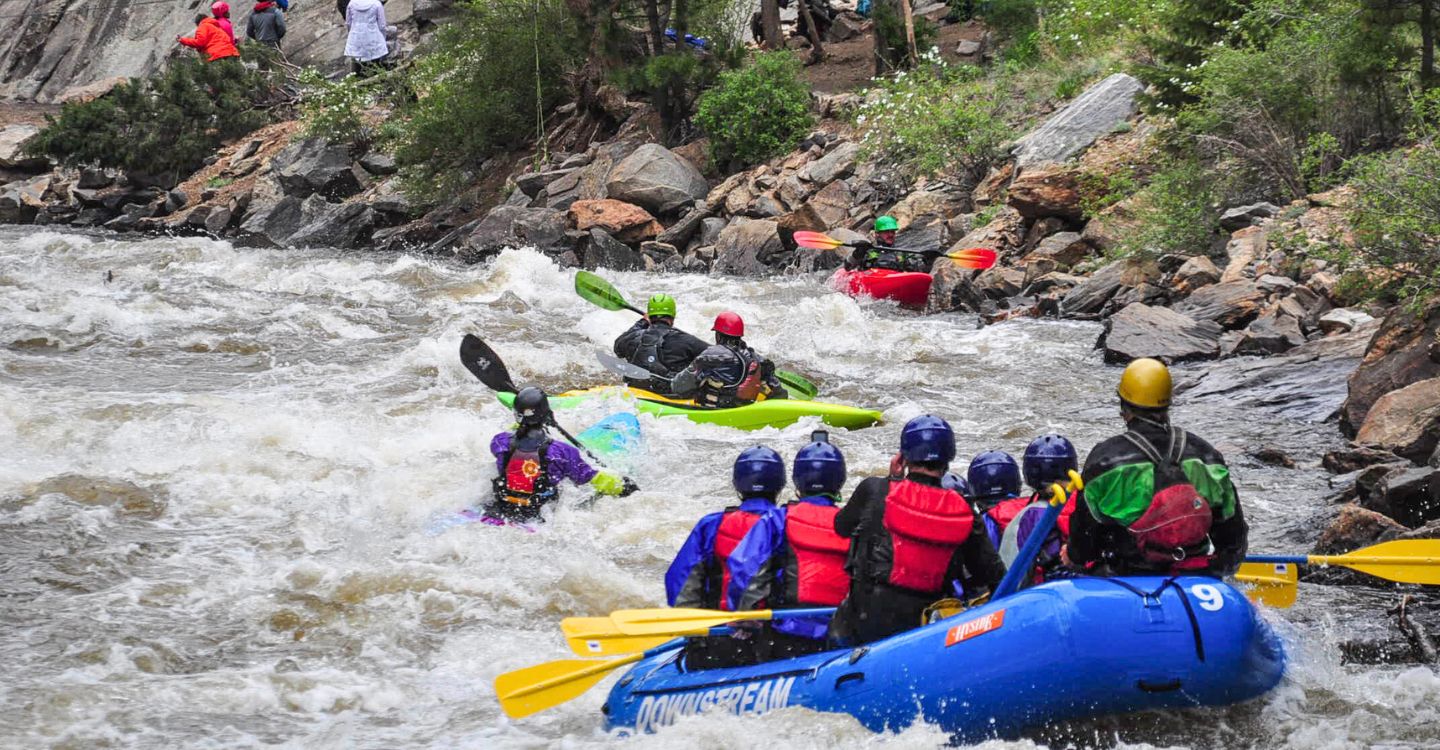
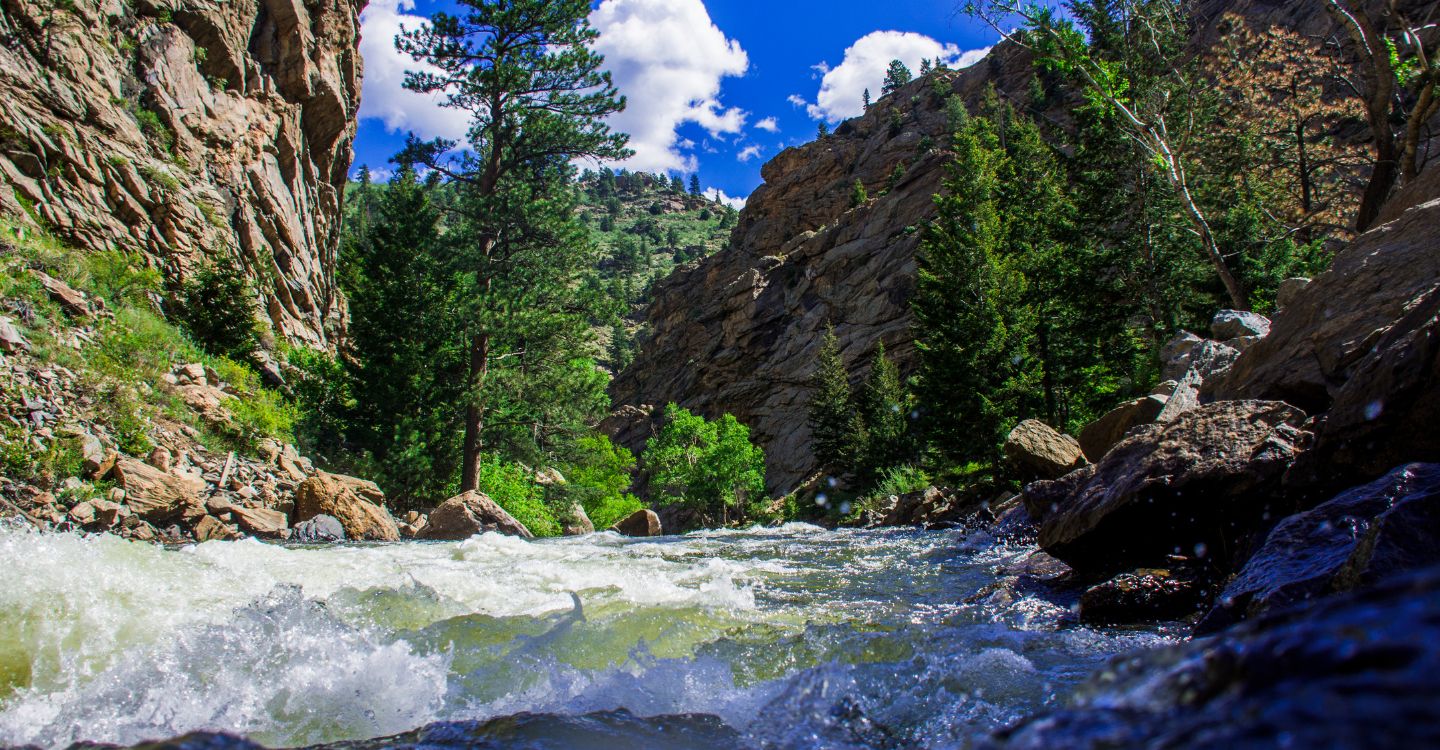
If you want the biggest water of the Colorado rafting season, June is your window. Snowmelt hits its peak during this stretch, pushing river levels to their highest point of the year and creating the fast currents, large wave trains, and powerful hydraulics that experienced rafters come back for every season.
What this means on the water: rapids that are rated Class III on a normal summer day can temporarily behave like Class IV during peak runoff. Check out our Whitewater Rapid Classification Guide to learn more. Downstream moves fast. Eddies are smaller and harder to hold. The margin for error shrinks, and the reward for staying in your line increases. For guests who have rafted before and want to feel what Colorado’s rivers are actually capable of, this is the time to be on the water.
That said, early-season rafting is not off-limits for beginners — it just requires choosing the right section. Family-friendly trips on gentler stretches of the Upper Colorado River are still fully runnable and genuinely exciting in early summer without crossing into overwhelming territory. The key is matching the section to the group, not avoiding the season entirely.
One practical note: May and June mornings run cold at elevation, especially on snowmelt-fed rivers. Wetsuits and splash jackets are standard issue for early-season trips and are provided by your outfitter. Wear them even if the air feels warm. Water temperatures in May can drop into the 40s, and hypothermia risk is real without the right gear.
🌊 Best For: Experienced rafters, thrill-seekers, guests who want the largest wave trains and highest adrenaline of the season. Not recommended for guests with significant water anxiety or very young children on technical sections. |
The Sweet Spot: July on the River
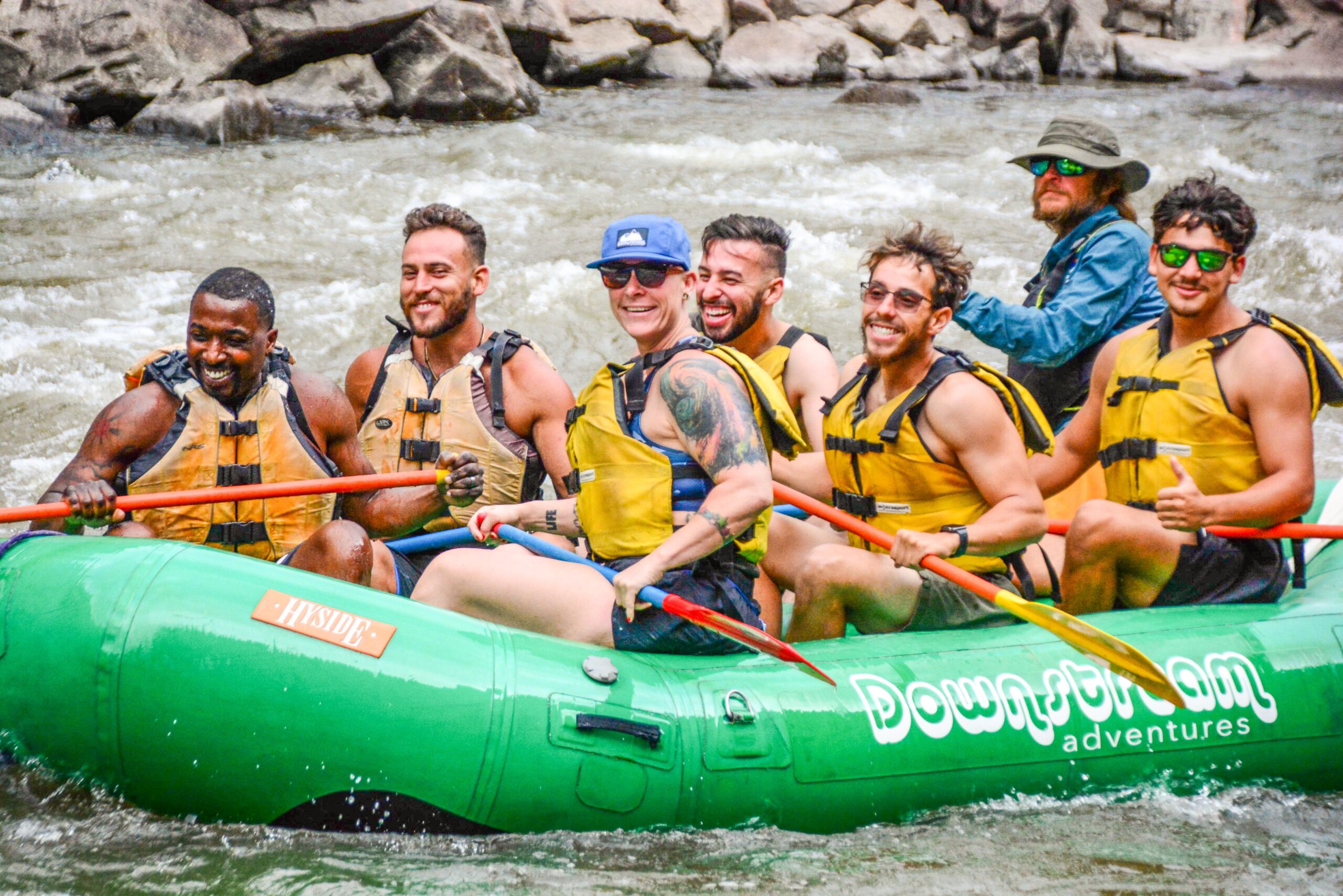
July is when the Colorado River rafting season hits its stride for most groups. Runoff tapers as the snowpack finishes melting, water levels stabilize, and the result is consistent, splashy Class III fun on most sections, energetic enough to keep the adrenaline up, predictable enough that guides can put first-time rafters in confident positions throughout the trip.
Air temperatures in July regularly reach the 80s at lower elevations along the river corridor, and water temperatures climb enough to make getting splashed feel like a feature rather than a punishment. It’s the month where families with young kids, first-time rafters, and mixed groups of varying experience levels all tend to have the best overall experience and enough excitement to generate real stories without the high-stakes intensity of peak runoff.
It’s also, not coincidentally, the most competitive booking window of the season. July weekends on popular sections fill up weeks in advance, particularly for the popular mid-day time slots. If July is your target month, book early — two to three weeks minimum for weekend departures, more for specialty trips or large groups.
🌞 Best For: First-time rafters, families with kids, mixed experience groups, anyone who wants warm water and reliable conditions. The most popular month of the Colorado River rafting season for a reason. |

Late-Season Beauty: August and September
As summer winds down, the character of Colorado’s rivers shifts in ways that many guests find more interesting than the high-water months. They just require a different mindset going in. Lower water levels expose more of the riverbed: boulders emerge, channels narrow, and the lines through each rapid require more precision than raw momentum. This is technical rafting, and guides who know these rivers well will tell you that late-season trips are some of the most satisfying they run.
The trade-off is excitement style rather than excitement volume. You won’t get the massive wave trains of June, but you’ll get a more intimate experience with the river: reading the water, threading chutes, making deliberate moves. For intermediate rafters looking to sharpen their skills, late season is a genuinely good classroom.
For expert rafters, August also marks the prime season for the Gore Canyon Rafting Trip. As runoff subsides and river levels settle into the ideal range, this legendary Class V stretch of the Colorado River comes into its own. Massive rapids like Gore Rapid, Tunnel Falls, and Kirschbaum’s demand precise boat control, strong paddling, and teamwork, making Gore Canyon one of the most sought-after whitewater experiences in Colorado. Many experienced paddlers specifically plan their trips around August conditions, when the river is often at its best for technical big-water rafting.
Beyond the water itself, August and September offer a range of perks worth planning around:
- Lighter crowds. Foot traffic thins noticeably after Labor Day, meaning shorter waits, quieter put-ins, and a more personal experience on popular sections.
- Wildlife activity. As temperatures cool, bighorn sheep, elk, golden eagles, and bald eagles become regular sightings along the Upper Colorado River corridor, especially through September.
- Fall color. Canyon sections begin showing color by late September, adding a visual dimension that peak-season trips simply don’t have.
One important note on the Colorado River specifically: the Colorado rafting season typically runs longer into fall than smaller creek-based sections like Clear Creek, which drop off more quickly as snowmelt ends. The Colorado’s massive drainage basin keeps water flowing at runnable levels well into September and sometimes beyond, which is why outfitters operating on the Upper Colorado can reliably offer trips through the end of the season.
🍂 Best For: Intermediate rafters, guests who prefer quieter conditions and lighter crowds, wildlife enthusiasts, and anyone visiting Colorado in late summer or early fall who still wants to get on the water. |
Essential Gear for Every Month of the Season
One of the most common mistakes guests make is dressing for the air temperature rather than the water. Here’s how gear needs to shift across the Colorado rafting season:
May and June — Layer Up
- Wetsuit and splash jacket: non-negotiable in May, strongly recommended through mid-June. Your outfitter provides both — wear them.
- Neoprene booties or secure water shoes with wool or synthetic socks: cold water soaks through quickly and foot warmth matters on a long float
- Wool or synthetic base layer under your wetsuit: cotton holds cold water against your skin; avoid it entirely in early season
- Sunscreen and sunglasses with a strap: high-altitude UV is intense regardless of water temperature
July and August — Sun and Hydration Focus
- Swimsuit or quick-dry shorts: water temperatures are comfortable; splash jackets are available but often optional by mid-July
- Sunscreen, a hat or buff, and polarized sunglasses with a strap: the high-altitude sun at midday is relentless even when it feels comfortable
- A water bottle you can secure or hand off to your guide: dehydration at elevation sneaks up faster than most guests expect, especially on full-day trips
- Secure closed-toe shoes or sandals with a back strap: flip-flops are not permitted on the river
September — Layer for the Morning
- Splash jacket for morning departures: canyon mornings in September run cool even when afternoons are warm
- Quick-dry layers you can shed as the day heats up: temperature swings between 7 AM and noon can be significant at elevation
- Everything from the sun protection list above: September UV is no gentler than July
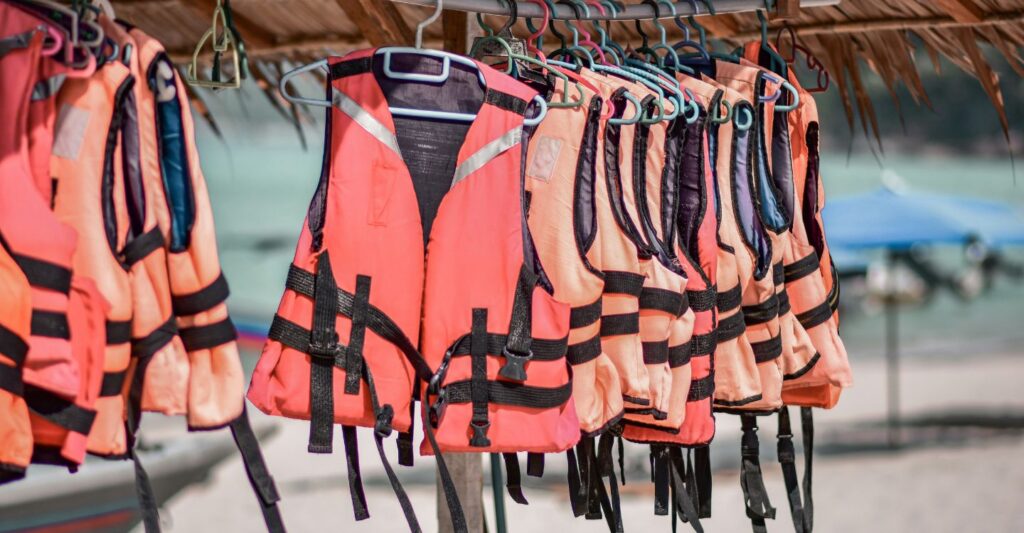
Regardless of the month, professional outfitters provide all essential safety gear: life jacket, helmet, and a paddle. You do not need to bring your own equipment for any of the trips in the Colorado rafting season — show up dressed for the water and let your guide handle the rest.

Plan Your Perfect Seasonal River Adventure
Knowing your ideal month is the first step. The second is making sure your trip, your lodging, and your timeline all line up — especially for peak-season visits when availability fills up fast.
Downstream Adventures offers rafting trips on the Upper Colorado River and Gore Canyon out of Kremmling from May through September, with departures structured around both morning and afternoon windows depending on the trip type. For guests who want to make more than a day of it, the Downstream Adventures basecamp in Dumont offers on-site cabins near Denver and yurts positioned between the Clear Creek and Kremmling outposts.
The Stay and Play package bundles lodging with a discounted rafting or fishing trip — 10% off when you book both together. It’s the most popular option for groups who want a full Colorado river weekend rather than a single afternoon on the water, and it’s available across the full Colorado rafting season from May through September.
FAQ — Planning Your Colorado Rafting Trip
When is the absolute best month for high-water rafting in Colorado?
June is the peak high-water month across most Colorado rivers. Snowmelt typically reaches its maximum in late May through mid-June, producing the largest wave trains, fastest currents, and most powerful conditions of the entire Colorado rafting season. Experienced rafters who specifically want big water should target June; those newer to the sport will generally have a better experience waiting for July when conditions moderate.
Does the Colorado River rafting season ever close early?
On smaller, free-flowing rivers like Clear Creek, the season can shorten in low-snowpack years — water levels may drop to unrunnable levels by mid-August. The Upper Colorado River, however, benefits from a substantially larger drainage basin and reliably runs through the end of September. Downstream Adventures operates trips on the Upper Colorado through September each season, though specific trip availability depends on conditions. Call ahead if you’re planning a late-season trip to confirm current water levels.
What month is best for those who want the warmest weather?
July and early August are the warmest months of the Colorado white water rafting season, both on the water and in camp. Air temperatures along the Upper Colorado River corridor regularly reach the low-to-mid 80s during July afternoons, and water temperatures are comfortable enough to make splashing genuinely refreshing rather than jarring. If warmth is a priority — particularly for guests bringing young children or those sensitive to cold — July is the clear recommendation.