If you have looked into whitewater rafting, you have seen the class system: Roman numerals from I to V (sometimes VI), each one representing a different level of difficulty. What the brochures rarely tell you is what those numbers actually mean once you are sitting in a raft and a wave is breaking over the bow.
This guide breaks down each rapid class clearly, with real examples from the rivers we run in Colorado. By the end, you will know which class is right for your skill level, your group, and your nerves. Let’s start with the quick version.
The Whitewater Rapid Class System at a Glance
Whitewater rapids are rated on the International Scale of River Difficulty, a system developed by American Whitewater. The scale runs from Class I (easiest) to Class VI (essentially unrunnable). Here is what each class means in practical terms:
Class | Difficulty | What It Feels Like | Best For |
|---|---|---|---|
I | Easy | Calm water, gentle current, occasional small waves | All ages, families with young kids, scenic floats |
II | Novice | Small waves, clear channels, light splashing | First-time rafters, families, light adventure |
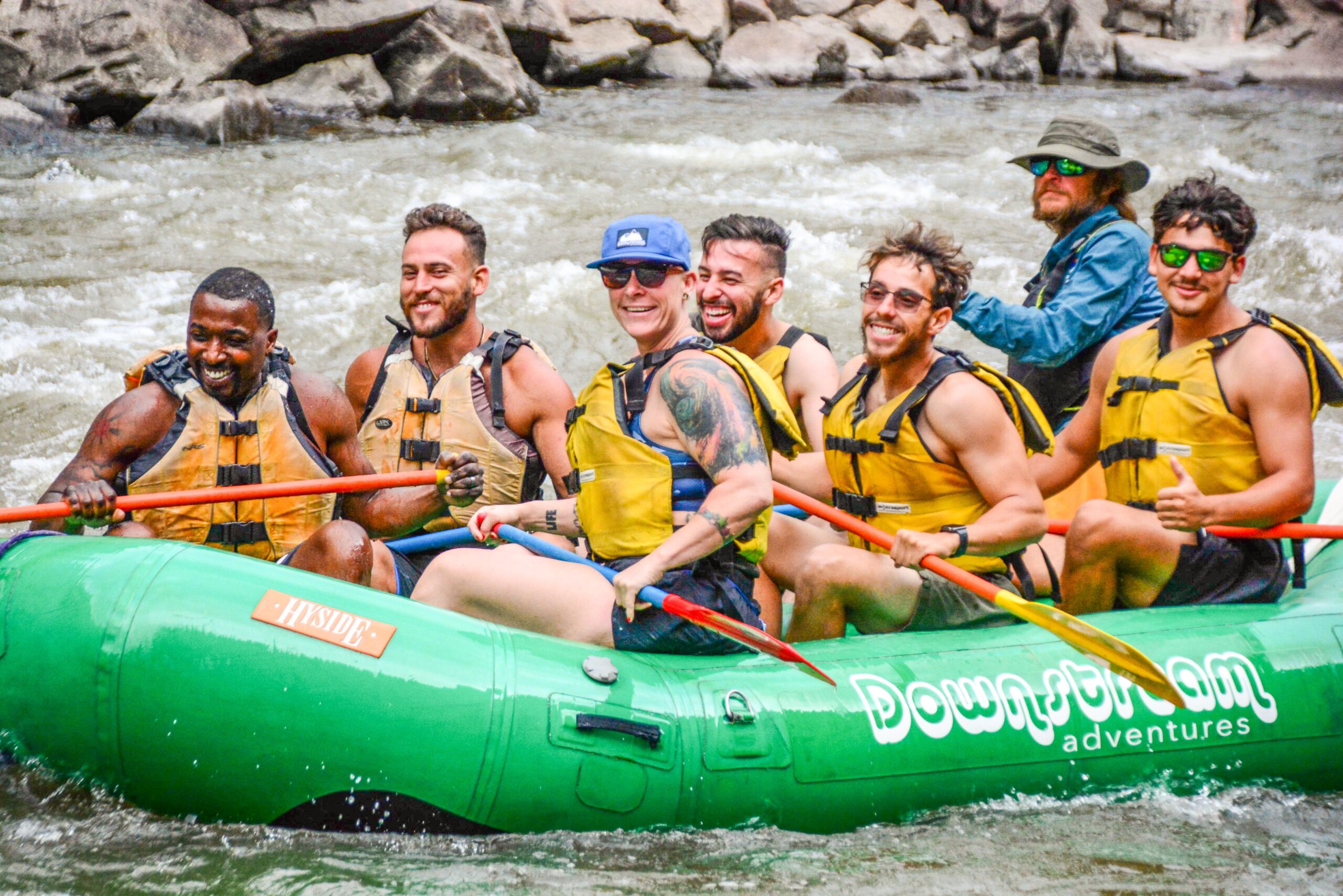
III | Intermediate | Moderate waves, real splashes, paddling teamwork | Most adults and active families, ages 8 and up typically |
IV | Advanced | Powerful waves, precise navigation, intense action | Fit adults with previous rafting experience |
V | Expert | Long, technical, large drops, serious consequences | Experienced rafters in strong physical condition |
VI | Extreme | Considered unrunnable; risk of life | Not commercially rafted |
A few important notes before we go deeper. Class ratings are partly subjective, and the same rapid can shift up or down a class depending on water level. A river can also contain a mix of classes within a single trip; an “intermediate” trip in Colorado typically means Class III with stretches of Class II in between.
Now, here is what each class actually means once you are on the water.
Class I Rapids: Calm Water With Light Current
Class I is moving water with small waves and clear, easy passages. No real maneuvering required.
Example trip: Stretches of our Upper Colorado River Scenic Float include Class I water between rapids.
Class II Rapids: Easy Waves With Clear Channels
Small waves (one to three feet), clear channels, minor maneuvering. Simple paddle commands with low consequences for missed strokes.
Example trip: Our Middle Clear Creek Beginner Trip is the right starting point.
Class III Rapids: Moderate Waves and Real Splashes
Where most rafters discover the sport. Moderate, irregular waves (three to five feet), narrow passages, real teamwork required.
Example trip: Our Browns Canyon Rafting Trip on the Arkansas River is the most popular Class III trip in Colorado.
Class IV Rapids: Powerful Water and Precise Maneuvering
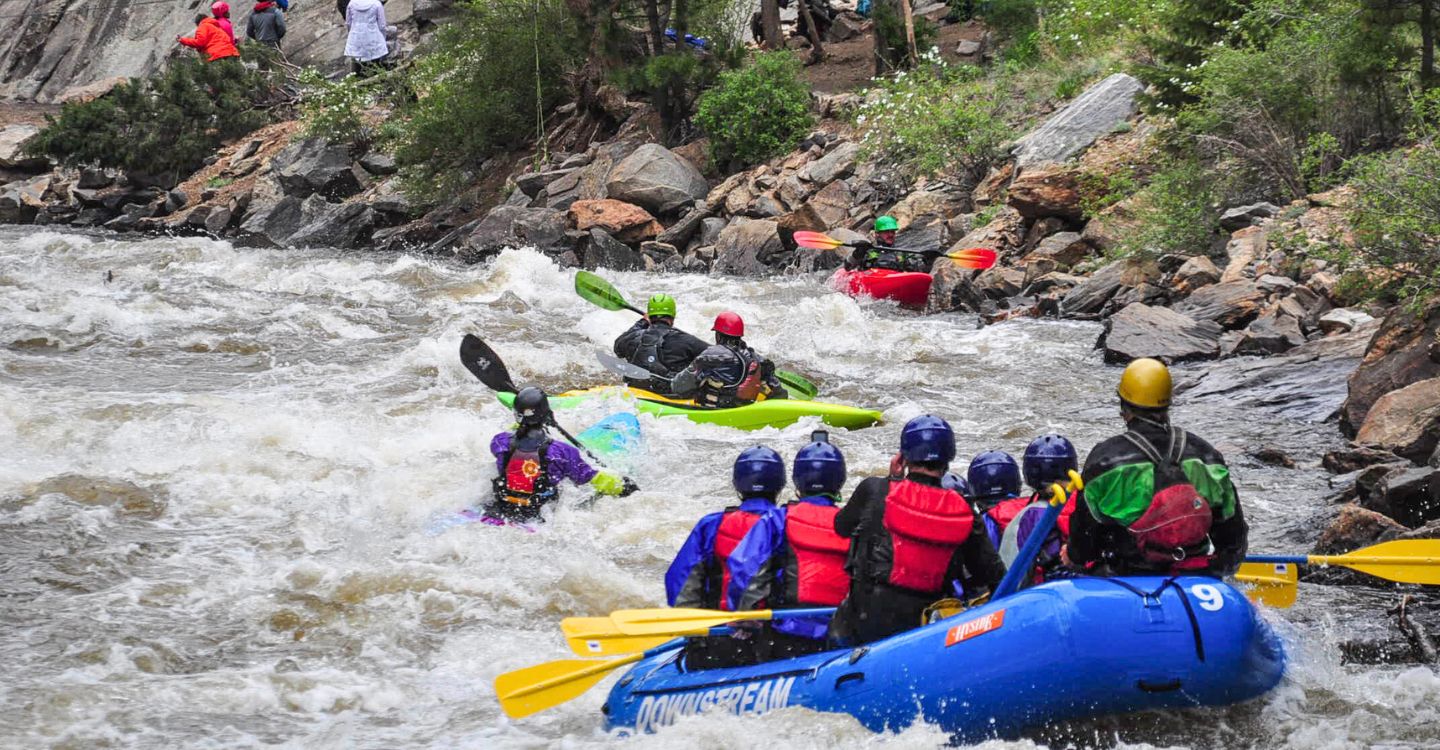
A serious step up. Bigger waves (five to seven feet), longer rapids, precise navigation, real consequences for mistakes.
Example trip: The Numbers on the Arkansas River and Upper Clear Creek Intermediate deliver continuous Class IV action.
Class V Rapids: Expert-Only Whitewater
Long, violent, technical. Huge waves, big drops, narrow chutes, continuous action.
Example trip: Gore Canyon and Lower Canyon of Clear Creek. Minimum age 18, prior experience required.
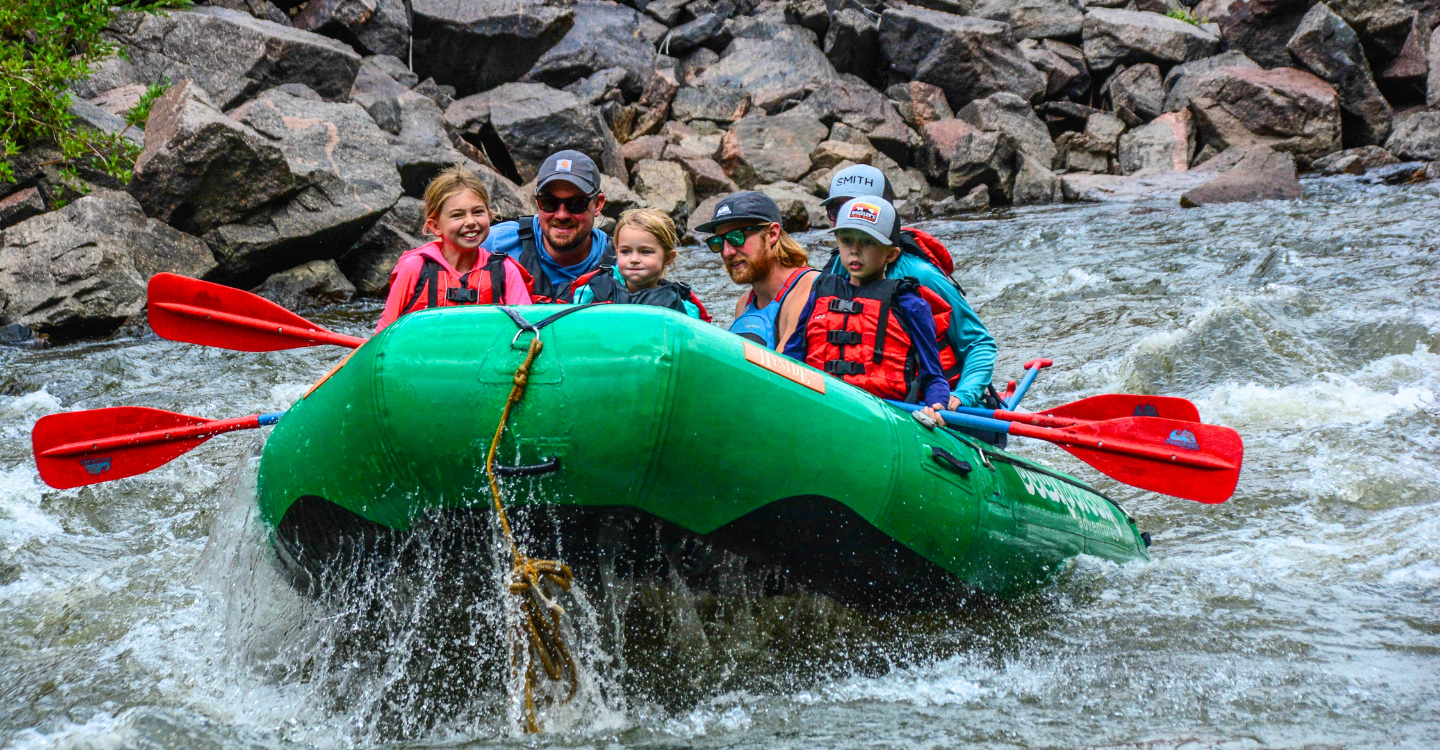
Choosing the Right Class for Your Group
Pick your trip based on the most cautious member of your group, not the most adventurous one. A nervous rafter on a Class IV trip will not enjoy themselves, and their hesitation will affect the rest of the boat.
Match the class to the person who is least comfortable on the water, then go from there.
- Want a relaxing day on the water with kids or hesitant first-timers: Class I to II. Try our Upper Colorado River Scenic Float or Middle Clear Creek.
- Want real splashes, real adrenaline, no expert experience needed: Class III. Browns Canyon is the right answer for most people.
- Have prior rafting experience, want a challenge: Class III to IV. Try Upper Clear Creek Intermediate.
- Experienced paddler looking for the biggest day Colorado offers: Class IV to V. Gore Canyon is the legendary trip.
Still not sure? Call us. Trip selection is part of what we do, and it takes 5 minutes on the phone to match a group to the right river.
How Class Ratings Can Change With Conditions
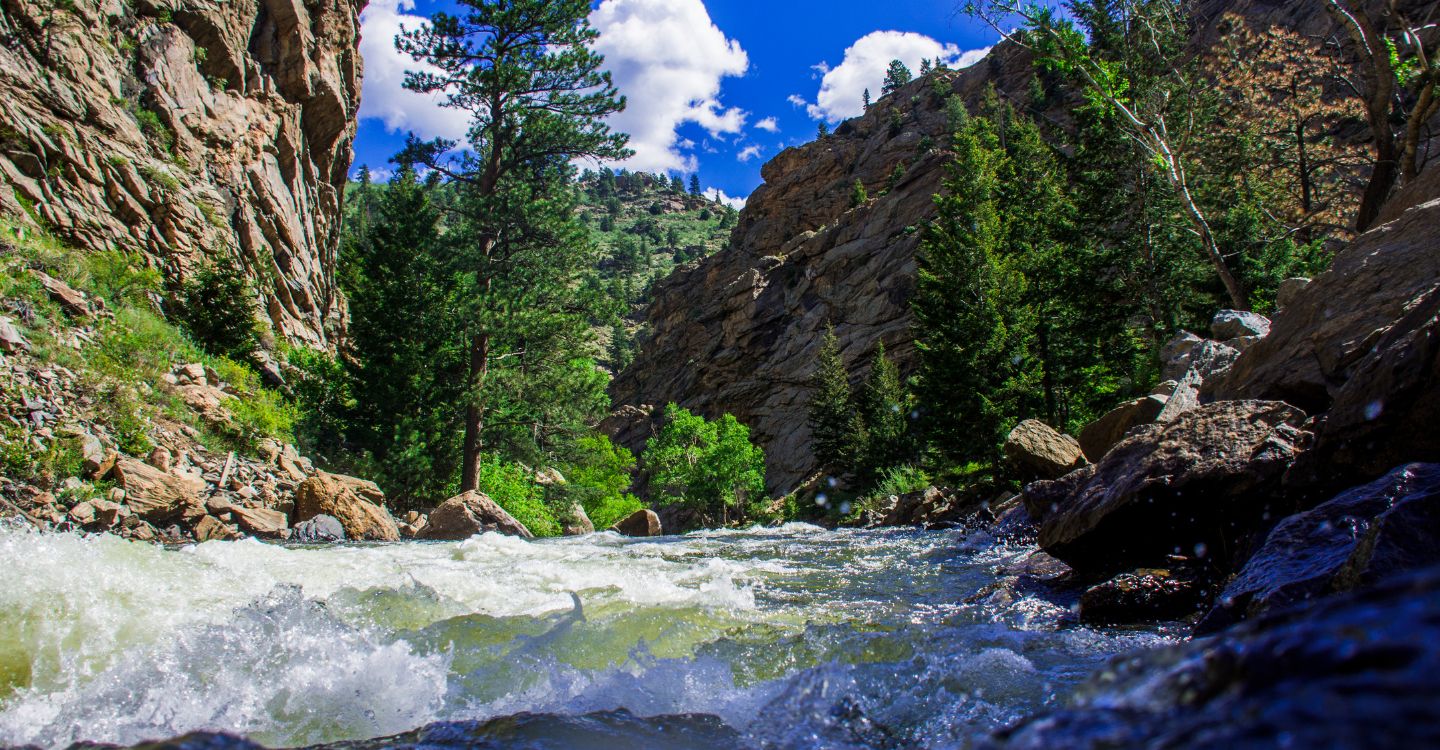
A rapid’s class is not fixed. The same stretch of river can shift up or down a class depending on water level, time of year, and recent weather. This is why your guide’s real-time judgment matters more than the definitions on a page.
How Water Levels Affect Class
- High water (typical late spring and early summer): Snowmelt runoff increases volume and speed. A Class III rapid can feel like a Class IV. Some features become more powerful and dangerous; others wash out and become easier.
- Moderate water (typical mid-summer): The classic season. Rapids typically perform at their rated class.
- Low water (typical late summer and early fall): Reduced volume can mellow rapids by half a class or more. The flip side: low water exposes more rocks, making navigation more technical.
At Downstream Adventures, our guides assess river conditions every morning before launch. If a rapid is running outside its normal class on a given day, we adjust the trip plan, the safety briefing, or the route.

Safety Tips For Rafting
No matter which level of white water rafting you choose, safety should always come first. Here are a few key rafting safety tips:
- Wear your gear: Always wear a helmet and a properly fitted personal flotation device (PFD).
- Dress for the water: Quick-dry clothing, river shoes, and layers are your best bet.
- Listen to your guide: They know the river better than anyone, and they’ll keep you safe while making sure you have a blast.
Ready to Hit the Rapids? Book Your Trip Today!
Now that you’ve got the lowdown on whitewater rapids classification, you’re ready to choose the adventure that suits your style. From scenic Class I floats to jaw-dropping Class V thrill rides, Downstream Adventures offers trips for every type of rafter.
Find the perfect whitewater adventure and book your trip today! Whether you’re chasing thrills or dipping your paddle in for the first time, we’ll help you make a splash in the Rockies.
Frequently Asked Questions
What are the classifications for white water rapids?
White water rapids are classified on a scale from Class I to Class V. Class I is the easiest, with calm water and minimal obstacles, while Class V is the most difficult, with powerful currents, large drops, and technical challenges for expert paddlers. These classifications help rafters match their adventure to their skill and comfort level.
How do you classify whitewater rapids?
Rapids are classified based on factors like water speed, gradient, size of waves, technical difficulty, and the level of skill required to navigate them. The International Scale of River Difficulty ranks rapids from Class I (easy) to Class V (extreme), with each level reflecting the intensity of the river and the demands on paddlers.
Are Class III rapids safe for kids?
Class III rapids feature moderate waves and small drops that require teamwork and paddling, making them fun and splashy but more intense than beginner runs. Many outfitters allow kids (often 12 and up) on Class III trips if they meet weight and swimming ability requirements. Always check age guidelines with your outfitter to ensure a safe and enjoyable trip for your family.

Downstream Adventures
Downstream Adventures was started by two brothers with a deep love for the outdoors and whitewater rafting. We are excited to bring our passion to you by sharing our knowledge of the area and what makes it so great!