Denver offers a gateway to Colorado’s vast outdoor wonders, making it the perfect starting point for unforgettable adventures in the Rocky Mountains. Whether you’re seeking exhilarating outdoor activities near Denver, or scenic day trips, there’s something for everyone within a short drive of the Mile High City. In this post, we’ll dive into the best things to do near Denver, from hiking trails and whitewater rafting to scenic drives and family-friendly attractions. Whether you’re a local or visiting for the weekend, these adventures will make your Denver experience truly memorable.
Quick Look: The Best Denver Day Trips for 2026
Planning your Colorado itinerary? Here is the brief summary for the top activities near the Mile High City:
Best for Adrenaline: Whitewater Rafting in Idaho Springs. Located 45 minutes from Denver; the most accessible half-day adventure on Clear Creek.
Best for Photographers: Red Rocks Park & Amphitheatre. Iconic red sandstone formations and world-famous acoustics. The park is free to hike during daylight hours.
Best for Wildlife and Views: Rocky Mountain National Park. Home to Trail Ridge Road and massive elk herds. Note: Requires a Timed Entry Permit for 2026.
Best High-Altitude Experience: Mount Blue Sky (formerly Mt. Evans). Reach 14,264 feet via the highest paved road in North America.
Best for Families and Foodies: Golden, Colorado. A walkable, historic downtown featuring the Coors Brewery and easy riverside trails.
Best for History Buffs: Dinosaur Ridge. An outdoor museum featuring over 300 Cretaceous dinosaur tracks just 20 minutes from the city.
Pro-Tip for 2026: Popular mountain destinations now require advanced reservations. To ensure your spot, we recommend booking your rafting trip and national park permits at least 2 to 4 weeks in advance for summer weekends.
Top 8 Best Things to Do Near Denver
1. Rocky Mountain National Park
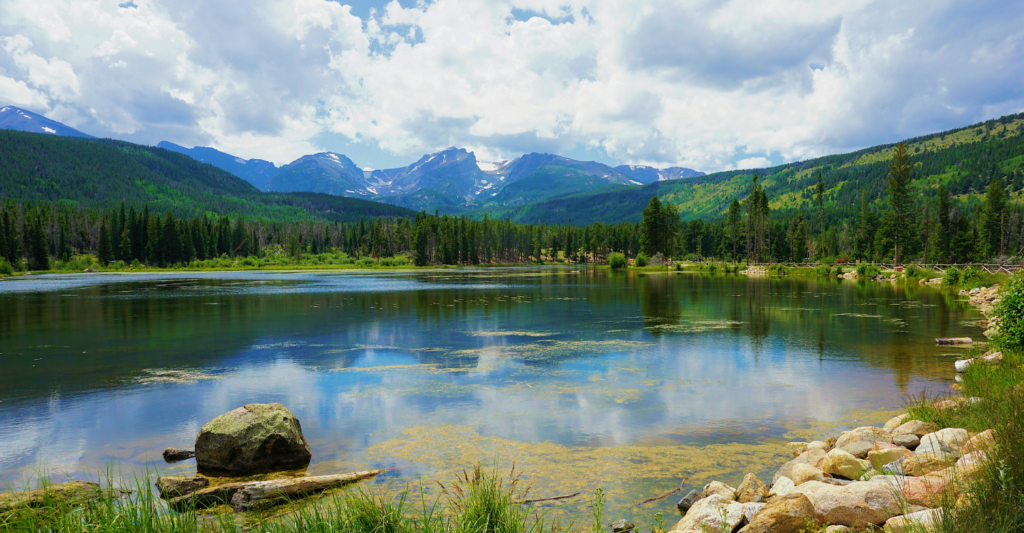
As one of the most visited national parks in the country, Rocky Mountain National Park (RMNP) continues to use a Timed Entry Permit System for the 2026 season. This system is designed to protect the park’s fragile alpine tundra and ensure you spend more time looking at elk and less time looking for parking.
Understanding the Two Permit Options
For 2026, visitors must choose between two distinct types of reservations on Recreation.gov. Both permits allow you to enter the park within a specific two-hour window.
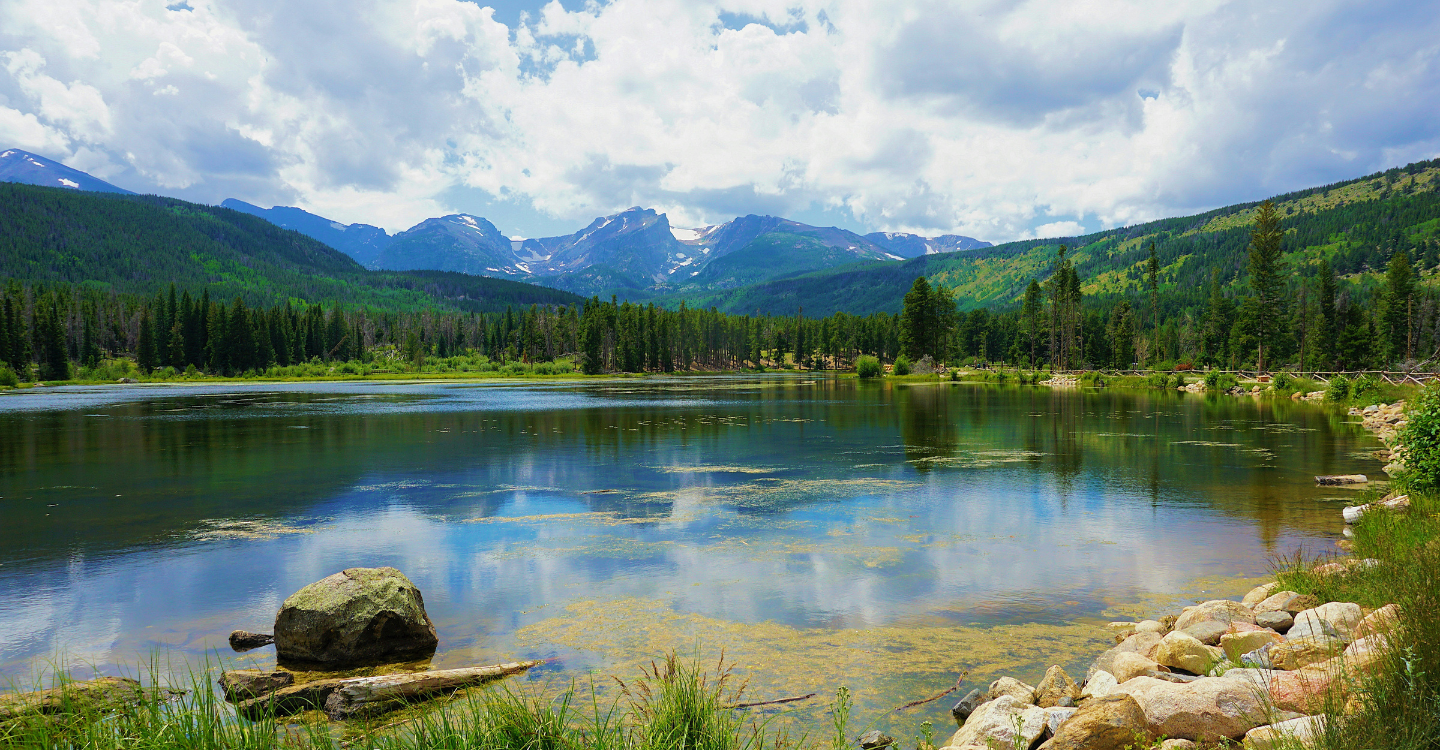
Timed Entry + Bear Lake Road Corridor: This is the most popular permit. It grants access to everything in the park, including the iconic Bear Lake Road (home to Dream Lake, Emerald Lake, and Sprague Lake). Reservations are required from 5:00 AM to 6:00 PM daily from late May through mid-October.
Timed Entry (Rest of Park): This permit is perfect if you want to drive the stunning Trail Ridge Road (the highest continuous paved highway in the U.S.) or explore the Wild Basin area. It excludes the Bear Lake Road corridor. Reservations are required from 9:00 AM to 2:00 PM daily.
How to Secure Your 2026 Permits
Release Schedule: Permits are released on the first day of each month at 8:00 AM MDT for the following month (e.g., July permits go on sale June 1st).
Last-Minute Access: If you miss the primary window, the park releases roughly 40% of available permits at 7:00 PM MDT the night before arrival. These go fast, so have your account ready.
Entry Fees: Remember that the $2 reservation is separate from the Park Entrance Fee ($35 per vehicle) or your America the Beautiful Pass.
Strategic Planning: The “Morning Raft, Evening Park” Hack
RMNP is about 90 minutes from our outpost in Idaho Springs. Because of the “Rest of Park” 2:00 PM cutoff, many of our guests book a morning whitewater rafting trip on Clear Creek, grab a celebratory lunch, and then enter the National Park after 2:00 PM when the “Rest of Park” permit is no longer required. You still get plenty of daylight for a sunset drive on Trail Ridge Road without the stress of a reservation.

2. Mount Blue Sky (Formerly Mount Evans)
Mount Blue Sky is home to the highest paved road in North America, reaching a staggering 14,264 feet. After being closed for the entire 2025 season for major road improvements, the Scenic Byway is officially scheduled to reopen to vehicle traffic in May 2026 (weather permitting).
Why the name changed
In late 2023, the U.S. Board on Geographic Names officially changed the name from Mount Evans to Mount Blue Sky. The new name honors the Arapaho (known as the Blue Sky People) and the Cheyenne (who hold an annual renewal of life ceremony called Blue Sky). While many older maps and signs still say “Mt. Evans,” locals and official park systems have fully transitioned to Mount Blue Sky.
How to Visit in 2026
Access to the summit via the Scenic Byway (Highway 5) requires planning. To manage crowds and protect the alpine tundra, the U.S. Forest Service utilizes a Timed Entry Reservation System.
Reservations: Tickets are required for all vehicles and motorcycles entering the area between 8:00 AM and 6:00 PM.
Where to Book: Reservations must be made online at Recreation.gov.
Booking Window: Tickets typically release on a rolling basis 30 days in advance. We recommend setting a reminder, as summer weekends often sell out within minutes of release.
Pro-Tip: There is no cell service at the welcome station. Download or print your QR code permit before you leave Idaho Springs.
The “Adventure Loop” Connection
Because the road to the summit begins just past Echo Lake, Mount Blue Sky is the perfect companion to a morning rafting trip. Many of our guests at Downstream Adventures grab a quick lunch in Idaho Springs after their Clear Creek trip and head up the mountain for a late afternoon summit drive. The lighting at that altitude is spectacular for photos of the local mountain goat herds.
Why it’s great: Take a drive to the top of one of Colorado’s many 14ers. Located within an hour’s drive from Denver, Mount Blue Sky offers striking panoramic views, plenty of fun hiking trails, and an array of outdoor experiences. Known for its scenic beauty and Colorado’s highest paved road, the drive up Mount Blue Sky Scenic Byway to the summit is an adventure in itself, with spectacular views along the way.
Pro tips: Drive slowly and take time to enjoy the scenic overlooks on the way up. Be sure to bring layers, as temperatures can drop significantly even in the summer. It’s also wise to check the weather, as the summit can close unexpectedly due to weather conditions. Be sure to check for more details on park closures, parking permits, and more at the Mount Blue Sky Recreation Area & Scenic Byway Forest Service.
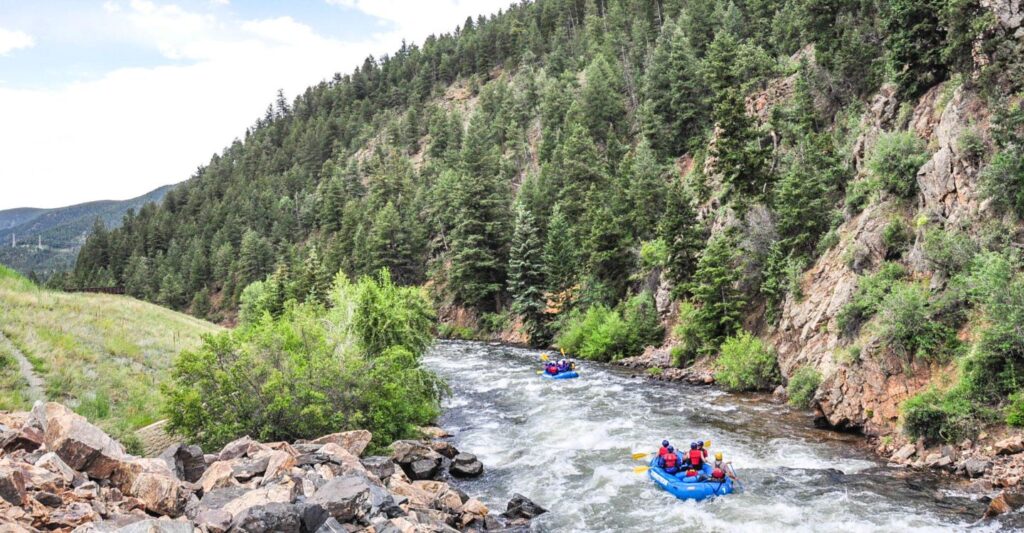
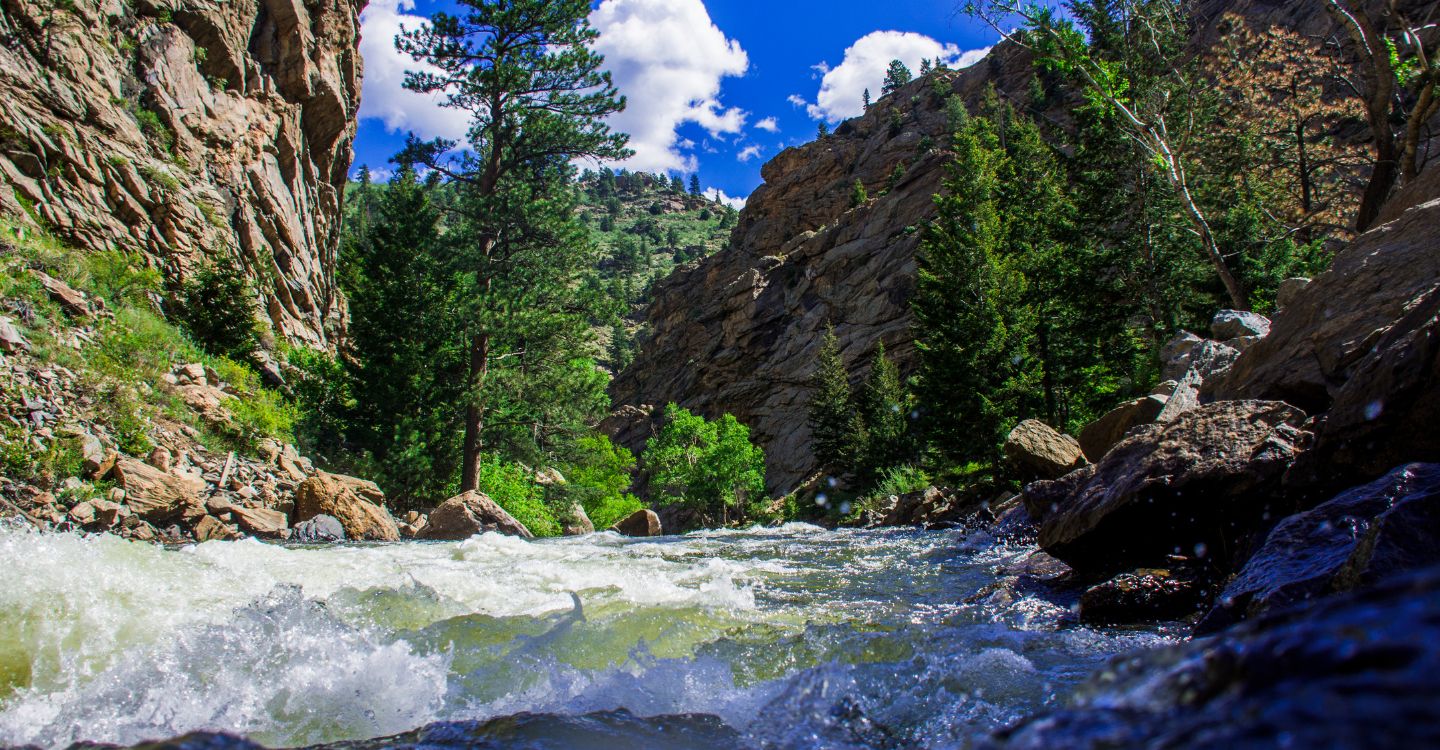
Whitewater rafting is the ultimate Colorado summer tradition, and Clear Creek is the closest place to Denver to get on the water. Located just 30–45 minutes from the city in Idaho Springs, this river offers a steep, fast-paced experience that packs more rapids into every mile than almost any other river in the state.
Why It’s Great
Unlike the wide, slow-moving rivers you might find elsewhere, Clear Creek is narrow and technical. You’ll paddle through historic mining canyons and under 19th-century bridges, feeling the rush of the Rockies right in Denver’s backyard. Because it’s snowmelt-fed, the river’s personality changes throughout the summer—offering a high-adrenaline “wild ride” in June and a fun, splashy technical challenge in August.
Pro Tips for 2026
Match Your Skill Level: Not all stretches of the river are the same. Families with children as young as six should look at the Beginner Rafting Trip, while those seeking a heart-pounding challenge should aim for the Intermediate or Advanced Clear Creek runs.
The “Early Bird” Advantage: To beat the afternoon winds and the I-70 mountain traffic, book the 9:00 AM trip. You’ll be off the water and eating a “mountain pizza” in Idaho Springs by lunchtime.
What to Wear: Even in July, the river is chilly! At Downstream Adventures, we provide wetsuits and splash jackets because we know that staying warm is the key to having fun. Don’t forget to bring a change of clothes for after the trip!
4. Red Rocks Park and Amphitheatre
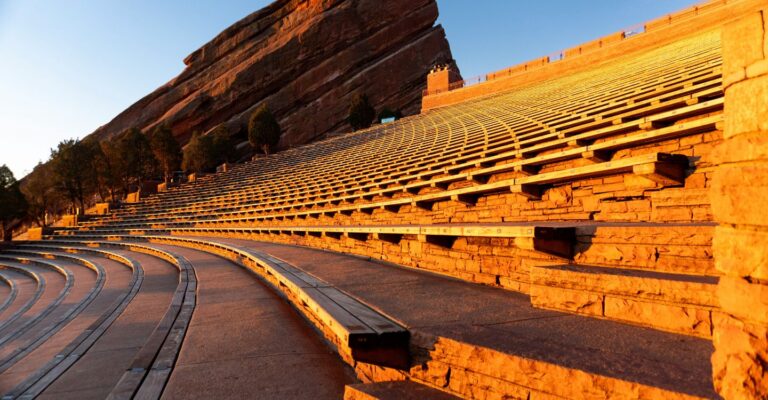
Red Rocks is the only naturally occurring, acoustically perfect amphitheatre in the world. Flanked by two 300-foot sandstone monoliths—Ship Rock and Creation Rock—this venue is a geological wonder that predates the music industry by 250 million years. Whether you are there for a sunrise workout or a concert under the stars, it is the quintessential Colorado experience.
Why It’s Great
Beyond the world-class acoustics, Red Rocks offers a rare “transitional zone” where the Great Plains meet the Rocky Mountains. This results in diverse wildlife sightings (keep an eye out for mule deer and prairie falcons) and panoramic views that stretch from the snowy peaks of the Continental Divide to the Denver skyline. For non-concertgoers, the park serves as a 738-acre playground for hikers and photographers, all just 20 minutes from downtown Denver.
Pro Tips for 2026
Check the “House Closure” Times: In 2026, Red Rocks is continuing its multi-phase Visitor Center and South Ramp improvements. On concert days, the amphitheatre typically closes to the public by 2:00 PM for soundchecks. To avoid a wasted trip, call their automated line at 720-865-2494 before you drive out.
The Trading Post Trail Loop: Most tourists stick to the amphitheatre steps, but the 1.4-mile Trading Post Trail is the best way to see the massive rock formations from the ground up. It’s a moderate loop that offers much better photo ops without the 193 steps of the main venue.
Visit the Colorado Music Hall of Fame: Located inside the Trading Post, this museum is often overlooked. It’s free and offers a deep dive into the legends who have graced the stage, from The Beatles to U2.
Beat the Heat: There is almost zero shade in the amphitheatre. If you’re visiting in July or August, aim to arrive by 8:00 AM to finish your hike before the rocks begin to radiate heat.
5. Visit Beautiful Golden, CO
Golden was the first capital of the Colorado Territory, and today it perfectly balances its Wild West roots with a thriving craft beer and food scene. Nestled between the towering North and South Table Mountains, this walkable downtown is the ideal place to “après-raft” after your morning on Clear Creek.
Why It’s Great
Golden feels like a mountain town but is only 15 miles from Denver. It offers something for everyone: world-class museums like the Colorado Railroad Museum, the famous “Howdy Folks” welcome arch, and a paved trail along Clear Creek that allows you to watch kayakers and tubers from the comfort of a riverside patio. It’s the kind of place where you can go from a rugged mountain hike to a high-end sushi dinner within the same city block.
Pro Tips for 2026
The 25-Day Coors Rule: In 2026, Coors Brewery tours are more popular than ever. Reservations are required and are released exactly 25 days in advance at midnight (MDT). If you want to see the world’s largest single-site brewery, you must book online at the 25-day mark, as summer slots often sell out within hours.
Self-Pour at The Golden Mill: If you can’t snag a Coors tour, head to The Golden Mill. This food hall features two “self-pour” tap walls with over 50 local beers, wines, and cocktails. Their rooftop patio is the first and only one in downtown Golden, offering an unobstructed view of the paragliders landing on Mt. Zion.
Tube for Free (Sort of): If you haven’t had enough water after your rafting trip, you can rent a tube downtown and float the Clear Creek Whitewater Park. Insider Tip: 2026 regulations require life jackets for all tubers when the water is above a certain CFS (cubic feet per second) level—check the signage at the 10th Street entry point.
The “Secret” Fossil Hike: Skip the crowded Table Mountain trails and head to Triceratops Trail. It’s a 1.5-mile gravel path that features 68-million-year-old dinosaur tracks and palm frond fossils embedded in the vertical sandstone walls.
6. Dinosaur Ridge
Dinosaur Ridge is a world-renowned outdoor museum located just 20 minutes from Denver. In 2026, the site is celebrating a massive milestone: the grand re-opening of the Martin G. Lockley Discovery Center in May, featuring the new “Deep Time Detour” exhibit. This is the #1 ranked dinosaur tracksite in the nation, offering a rare chance to see over 300 Cretaceous-era footprints exactly where they were made 100 million years ago.
Why It’s Great
It’s one of the few places on Earth where you can touch actual dinosaur bones still embedded in the rock. The ridge is a massive “tilted” geological formation (the Dakota Hogback) that literally turned an ancient beach on its side, making the tracks easy to spot for kids and adults alike. With the 2026 upgrades, the site now includes immersive digital displays and touchable fossils that bring the “Jurassic Colorado” era to life.
Pro Tips for 2026
The New Transit Link: Starting Memorial Day 2026, Denver’s RTD system is launching a new bus stop directly at the Discovery Center. You can now take the “W” light rail to Golden and hop on a shuttle straight to the tracks—no car required.
Avoid the “Sun Trap”: The Ridge is a paved road with zero shade. In 2026, the asphalt gets incredibly hot by midday. We recommend booking the Guided Bus Tour for midday visits; it’s narrated by an expert and provides a shaded, seated way to see the Bone Bed and Brontosaur Bulges.
The “Two-Museum” Dino Pass: If you have real paleo-enthusiasts in the group, ask for the “Dino Pass.” It grants admission to both Dinosaur Ridge and the Morrison Natural History Museum nearby, where you can watch scientists clean real fossils in the lab.
7. Idaho Springs: The Adventure Hub
While many travelers see Idaho Springs as a quick stop on I-70, it is actually the “adventure capital” of the Denver area. As the site of the first major gold strike in Colorado, this town offers a perfect mix of high-adrenaline whitewater and authentic Gold Rush history.
Why It’s Great
Idaho Springs is near Downstream Adventures and the famous Clear Creek. Because the river drops 100 feet per mile, it provides more rapids per minute than almost any other river in the state. The town itself has undergone a massive “Main Street” revival, with historic mining buildings now housing award-winning breweries and boutiques, all tucked into a steep mountain canyon.
Pro Tips for 2026
The “Raft & Soak” Combo: The ultimate local secret is heading to Indian Hot Springs immediately after your rafting trip. The mineral-rich geothermal caves are built directly into the mountain and are the best way to warm up and relax your muscles after a morning of paddling.
- Local favorite food option: For food, Tommyknocker Brewery is a local favorite for hearty meals and refreshing brews.
Argo Mill Updates: In 2026, the iconic Argo Gold Mill (the massive red building on the hill) has expanded its “tunnel tours.” You can now walk further into the historic mine than ever before. It’s a steady 55 degrees inside year-round—perfect for cooling off on a hot July afternoon.
Beat the I-70 Traffic: If you are visiting on a weekend, book the earliest possible rafting slot (usually 8:30 or 9:00 AM). You’ll beat the Denver traffic heading west, finish your adventure by noon, and have the rest of the day to explore the downtown shops or hike to St. Mary’s Glacier before the “Sunday crawl” back to the city begins.

8. St. Mary's Glacier
If you want to see snow in the middle of July, St. Mary’s Glacier is your best bet. Located just 15 minutes north of Idaho Springs, this “perennial snowfield” offers one of the most scenic and rewarding short hikes in the Front Range.
Why It’s Great
The hike is roughly 1.5 miles round-trip and climbs through a lush forest before opening up to a stunning alpine lake. Above the lake sits the glacier itself, where you can hike up the snow for a panoramic view of the Continental Divide. It is the perfect high-altitude photo op for visitors who aren’t ready for a grueling 14er but still want that “top of the world” feeling.
Pro Tips for 2026
Digital Parking: As of 2026, the trailhead parking lots are strictly pay-by-app or kiosk. They no longer accept cash. Ensure you have the “ParkMobile” app downloaded before you lose cell service in the canyon.
Bring a Jacket: It can be 90 degrees in Denver and 60 degrees at the glacier. The wind coming off the snow is significantly cooler, so a light windbreaker is a must.
The Adventure Double: Many of our guests pair a morning Clear Creek rafting trip with a late-afternoon hike to St. Mary’s. It’s the easiest way to experience both the water and the high-alpine snow of Colorado in a single afternoon.
Things to Do Near Denver FAQ
Do I need a reservation for Rocky Mountain National Park in 2026?
Yes. From late May through mid-October, RMNP requires a Timed Entry Permit. There are two options: the “Bear Lake Road” permit (includes the entire park) and the “Rest of Park” permit (excludes Bear Lake Road). Reservations release on the first of each month for the following month on Recreation.gov.
Is the road to Mount Blue Sky (formerly Mt. Evans) open?
The Mount Blue Sky Scenic Byway is scheduled to reopen in May 2026 after being closed for construction throughout 2025. Reservations are required for vehicle entry and can be booked up to 30 days in advance. Note that the road typically closes for the season in early October or after the first significant snowfall.
What is the closest whitewater rafting to Denver?
The closest whitewater rafting to Denver is on Clear Creek in Idaho Springs, located just 35–45 minutes west of downtown via I-70. This makes it the only river in the area where you can easily do a half-day trip and be back in the city by lunch.
When is the best time to go rafting near Denver?
Peak rafting season on Clear Creek is from late May to early August. For high-intensity, “big water” excitement, visit in June during the peak snowmelt. For family-friendly flows and warmer air temperatures, mid-July through early August is ideal.
Can you visit Red Rocks for free if there isn't a concert?
Yes! Red Rocks Park is a public Denver Mountain Park and is free to visit for hiking and sightseeing during daylight hours. However, the amphitheatre itself usually closes to the public around 2:00 PM on concert days for soundchecks. Always check the official Red Rocks website or app before heading out.
How do I avoid mountain traffic on I-70?
To avoid the infamous “I-70 crawl,” try to travel on weekdays. If you must go on a weekend, head west from Denver before 7:00 AM and plan to head back toward the city either before 2:00 PM or after 7:00 PM. Booking an early morning rafting trip in Idaho Springs is a great way to “beat the rush.
Plan Your Perfect 2026 Denver Adventure
Denver is more than just a city; it is the gateway to some of the most iconic outdoor experiences in the American West. Whether you are navigating the technical rapids of Clear Creek, standing on the 14,000-foot summit of Mount Blue Sky, or witnessing 100-million-year-old history at Dinosaur Ridge, the key to a successful 2026 trip is logistics and timing.
Your Adventure Checklist
Book Permits Early: Remember that Rocky Mountain National Park and Mount Blue Sky require reservations. Check Recreation.gov at least 30 days before your trip.
Stay Local: Consider bypassing the downtown Denver traffic by staying in Idaho Springs or Empire. You’ll be 15 minutes from the glacier, 5 minutes from the river, and 20 minutes from the heart of the Rockies.
Layer Up: Colorado weather changes in minutes. Even for a summer rafting trip or a hike at Red Rocks, always bring a light jacket and plenty of water.
- Book Rafting Early: Whether you’re looking for a Beginner Clear Creek Rafting Trip for the family, an Intermediate Rafting Adventure through the heart of the canyon, or a high-adrenaline Advanced Rafting Trip, we have the gear and the guides to make it the highlight of your summer. PLUS, you can save on rafting when you book a stay in our cozy, air-conditioned mountain cabins nearby in Dumont, CO!

Downstream Adventures
Downstream Adventures was started by two brothers with a deep love for the outdoors and whitewater rafting. We are excited to bring our passion to you by sharing our knowledge of the area and what makes it so great!